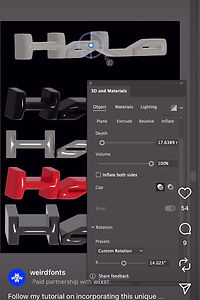
Disclosing Brand Partnerships and Sponsored Content
Audiences trust creators because their content feels genuine — and that trust depends on knowing when a post or stream is part of a paid partnership. Whistlr's in-app disclosure label makes it simple to mark sponsored content clearly, keeping your audience informed and helping you stay aligned with disclosure requirements that apply to paid promotion.
Marking a Post or Stream as Sponsored
While creating a post or setting up a live stream in Creator Studio, select the option to add a paid partnership disclosure before publishing or going live. Confirm the disclosure, and the label is automatically attached to the content. The label applies for the lifetime of that specific post or stream and doesn't need to be re-added if you edit other details before publishing.
The disclosure option is available any time you're creating content, whether or not you typically post sponsored material, so it's always there when you need it. If a piece of content involves any form of compensation, free product, or other consideration from a brand, it should carry the disclosure label — when in doubt, it's always better to disclose than not.
Where the Label Appears to Viewers
Once applied, the paid partnership label appears directly on the post or stream itself, visible to anyone who views it — typically near the creator's name or at the top of the content, so it's one of the first things a viewer sees rather than something buried in a caption. On live streams, the label remains visible for the duration of the broadcast. The label appears the same way regardless of who is viewing, ensuring every viewer gets the same clear signal that the content is sponsored.
- Applies before publishing: Add the disclosure label while creating the post or setting up the stream, prior to it going live.
- Visible placement: The label appears prominently on the content itself, not hidden in a description or caption.
- Stays for the content's lifetime: Once applied to a post or stream, the label remains attached for as long as that content exists.
- Consistent for all viewers: Every viewer sees the same disclosure, regardless of how they found the content.
Disclosure isn't a formality — it's the difference between an audience that trusts what it's watching and one that has to second-guess it.
Why Disclosure Matters: Transparent disclosure protects the relationship between a creator and their audience by making sure viewers can tell the difference between a creator's independent opinion and content created as part of a paid arrangement. Beyond audience trust, disclosure of paid partnerships is often required under advertising and consumer protection regulations that apply to sponsored content, regardless of the platform it's posted on. Treating disclosure as a standard part of your workflow — rather than an afterthought — keeps you consistent and keeps your audience confident in what they're seeing.
Best Practice for Ongoing Partnerships: If you have a longer-term or recurring partnership with a brand, apply the disclosure label to every individual post or stream connected to that partnership rather than assuming one disclosure carries over. Each piece of content should clearly stand on its own in terms of transparency, since not every viewer will see your full posting history or know about the broader partnership.