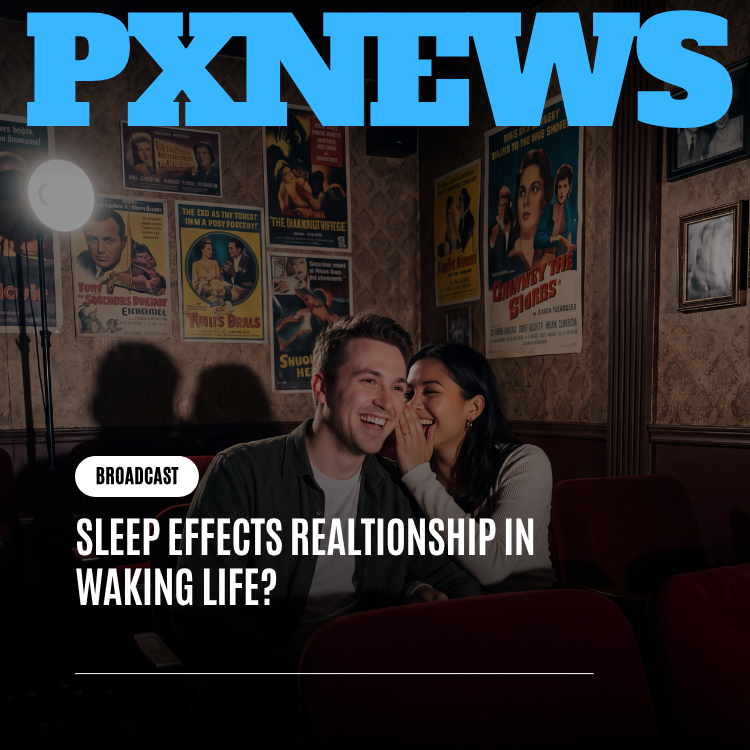

On most social platforms, a relationship is a line of text on a profile. You set it once, forget about it, and hope nobody notices when it changes. On Whistlr, relationships mean a lot more. They're mutual, so nobody can claim you without your yes. They're private by default and public only when you choose. They're meant to be lived in: the anniversaries you remember together, the inside jokes that only make sense to two people, the quiet comment at the back of a movie theater that nobody else hears. This piece is about why relationships on Whistlr feel different, how the Relationship Status feature and the rest of the platform work together to make that happen, and what it looks like when a social app treats the people closest to you as the point instead of a detail.
Why Relationships Mean More on Whistlr
Relationship status was one of the first features of the social web, and for a long time it was one of the most careless. One person could declare a connection to someone else without asking. A breakup became a public notification. Visibility was all or nothing. It was a feature designed around a single profile, when a relationship is, by definition, about two people.
Whistlr started from the opposite assumption. A relationship isn't a property of your profile. It's a shared thing that belongs to both of you, and the platform should treat it that way at every step. That one principle shapes almost everything about how relationships work here. It's why a relationship can't appear anywhere until both people confirm it. It's why each person controls their own visibility. It's why changes can happen quietly. And it's why, when people do choose to share a relationship publicly, it carries real weight. Everyone looking at it knows two people chose it together.
That weight is the core of the story. When a relationship on Whistlr is visible, it's not a claim. It's a mutual statement. That makes it mean more to the two people in it, and it makes it mean more to everyone who sees it, too.
"Relationships are fundamental to how people understand themselves and their place in the world. We didn't want to build a label. We wanted to build something that respects the fact that a relationship belongs to two people, and that each of them deserves full control over how it's shared. When you get that right, the feature stops feeling like a setting and starts feeling like something worth celebrating."
— Sarah Martinez, Product Lead for Social Features, ETAPX
How Relationship Status Works on Whistlr
If you're new to the feature, here's the short version of how Relationship Status works. It's simple to use, and it was carefully designed so the hard moments are handled as well as the happy ones.
Choose how you want to describe it
You can pick from standard options, including In a Relationship, Engaged, Married, In a Civil Union, In a Domestic Partnership, and It's Complicated. You can also write a custom status in your own words. Not every meaningful relationship fits a dropdown, and Whistlr doesn't ask you to squeeze yours into one.
Send a request, not a declaration
When you connect a partner, you're sending a private request. Nothing appears on their profile or yours while the request is waiting. The other person can accept, decline, or ignore it, and a decline is handled quietly. Only when they accept does the relationship exist on the platform.
The follow-first rule
You can only send a relationship request to someone who already follows you. That's a deliberate safety guardrail. It means a request can only travel along a connection the other person already chose to make, which shuts down a whole category of unwanted attention, pranks, and harassment before it starts.
Independent visibility
Once a relationship is confirmed, each person sets their own visibility. You can show it to everyone, keep it to your Circle or selected audiences, or keep it private. Your partner makes their own choice, and the two don't have to match. One of you can celebrate publicly while the other keeps things low-key, and both choices are respected.
Milestones and anniversaries
You can add a date for when your relationship began, and Whistlr can mark milestones like "Together for 1 year" and send optional anniversary reminders. Milestones can be shared as posts or kept between the two of you. Your call, every time.
Quiet changes
Either person can update or remove a relationship at any time without announcing it. There's no forced notification, and no network-wide broadcast of a breakup. If life changes, your profile can change with it on your own timeline.
Consent Is What Makes a Relationship Mean Something
It's worth pausing on why consent matters so much here, because it's the reason relationships on Whistlr carry the weight they do.
On a platform where one person can declare a relationship alone, a relationship status is just one person's say-so. It might be true. It might be wishful thinking, a joke, or something stale nobody bothered to update. Viewers learn to discount it, and the people in the relationship learn not to rely on it. The label loses its meaning because anyone can attach it to anything.
Whistlr's mutual confirmation removes that doubt entirely. Every confirmed relationship exists because two people opened a request and said yes. There's no passive way for a relationship to appear, and no way for one person to speak for another. When you see a relationship on someone's profile, you know it's real in the one sense that matters: both people agreed to it. That's why the feature's growth has felt meaningful to us. When Relationship Status crossed 10,000 users, every one of those confirmations had required a second, willing person. That's not a vanity number. It's thousands of small acts of mutual trust.
"Every relationship you see on Whistlr is two people saying yes to each other, and yes to trusting us with it. We don't take that lightly. It's the reason we'll keep building this feature around consent first and convenience second. The moment a relationship can be declared by one person, it stops meaning anything, to the couple and to everyone else."
— AJ, Founder & CEO, ETAPX
More Than Romance: The Relationships That Matter Most
When people hear "relationship status," they usually think about couples, and couples are a big part of how the feature is used. But relationships on Whistlr mean more than romance, because the people who matter most in someone's life aren't always partners.
- Couples: New relationships, long-term partnerships, engagements, and marriages. Many couples use Relationship Status to go public in a way that feels safe and mutual, sometimes for the first time anywhere online.
- Close friends: Some people use a custom status to highlight a best friend, a chosen-family relationship, or the person they'd call first in any emergency. It's a way of saying "this person matters" without borrowing a romantic label.
- Co-founders and creative partners: People building something together, like a business, a band, a channel, or a long-running project, sometimes want that partnership visible. A mutual, confirmed connection says more than a tag in a caption.
- Family and chosen family: Relationships that don't fit standard categories still deserve room to be named, and custom statuses give people that room.
This range is part of why the feature was designed to be flexible rather than rigid. A platform that only recognized one kind of important relationship would be telling most of its users that their closest connections don't count. Whistlr would rather let people describe their lives accurately.
"My best friend and I have been inseparable since we were eleven. We're not dating, we're not related, but she's the most important person in my life, and every other app made me pick a label that didn't fit. On Whistlr we just wrote our own status. We both had to accept it, which honestly made it feel like a little ceremony. People who know us thought it was the most us thing ever."
— Dani, Whistlr user
The Little Moments: How Whistlr Keeps Relationships Personal
A relationship status is a public signal, but most of what makes a relationship meaningful is private: the moments shared between two people that nobody else needs to see. Whistlr is built for those moments, too, and that's where the feature connects to the rest of the platform.
Think about the difference between a big anniversary post and a two-word message during a movie. Both matter. The first is a celebration. The second is the texture of actually being close to someone. Whistlr keeps making room for both kinds.
- Thoughts: Small, lightweight posts for a passing feeling or a single line. They're perfect for the "thinking about you" moments that don't need to be polished into content.
- Moods: A real-time way to share how you're actually feeling with the people close enough to check in. For couples and close friends, Moods often start the conversation that matters most on a hard day.
- Stories: Ephemeral, friend-first moments that don't need to last forever, like the date night photo, the ridiculous road trip snack, or the quiet morning.
- Your Circle: The small, intentional group of people you trust with the personal side of your life. Relationship details can be shown only to your Circle, so the people who actually know you get the full story.
- Group chats: Whistlr group chats hold up to 100 members, and they're where a lot of relationships live day to day: the couple's friend group, the double-date planning thread, the chat that's been going for years.
Here's what that looks like on an ordinary week. A couple who confirmed their relationship months ago might never post about it publicly again. Instead, they trade Thoughts during the workday, set honest Moods when one of them is running on empty, and share a Story from a Friday night that only their Circle will see. Their friends know what's going on because they're in the same group chats, not because an algorithm pushed a highlight reel at them. When the one-year milestone arrives, they decide together whether it's worth a post. Maybe it is, maybe it isn't. Either way, the relationship is present on the platform in a way that feels natural and never performed.
None of these features are romantic on their own. Together, they create a place where closeness can show up in small, honest ways, and that's what gives the bigger public moments their meaning. A relationship status means more when the relationship behind it is actually lived on the platform, not just labeled.
A Step-by-Step Guide to Adding Your Relationship on Whistlr
If you're ready to add a relationship, here's how to do it, along with a few choices worth thinking about along the way.
- Step 1, make sure you follow each other: Relationship requests can only be sent to someone who already follows you, so check that first. This is a safety feature, not a hurdle.
- Step 2, open your relationship settings: From your profile settings, choose Edit Relationship Status and pick the option that fits, or write a custom status.
- Step 3, connect your person: Search for their profile and send the request. It stays private until they respond.
- Step 4, talk about visibility together: Before or after you confirm, it's worth a quick conversation about who each of you wants to see it. You'll each set your own visibility, so there's no need to match, but knowing each other's preference avoids surprises.
- Step 5, add a start date if you want: This turns on milestones and optional anniversary reminders. Leave it off if you'd rather keep things simple.
- Step 6, decide how milestones are shared: Milestones can become posts or stay private. Many couples share the big ones and keep the rest between them.
That's it. The flow is short on purpose, but every step is built so neither person gets surprised, pressured, or spoken for.
When Relationships Change
The happy moment, when two people confirm a relationship, is the easy part to design. The harder part is what happens when things change, and we spent a lot of time on that because it's where older platforms caused the most pain.
On Whistlr, either person can update or remove a relationship at any time, without needing the other's permission. You don't have to post about it. There's no notification to your network saying something ended. If you want to share the change, you can do that when you're ready and with the audience you choose. If you'd rather it simply disappear, it can.
That matters for more than comfort. Relationship status can be sensitive, and in the wrong hands it can be used to pressure or control someone. That's why every part of the feature is designed so each person can protect themselves independently. You can decline requests, block people who keep sending unwanted ones, and report abuse right from the relationship flow. Combined with the follow-first rule, those safeguards have let the feature grow without a matching rise in harassment, which is rare for anything this personal.
"The hardest part of a relationship feature isn't the day two people connect. It's the breakup, the change of heart, the situation where one person needs space and safety. We designed for those moments first. If someone ever needs to quietly step away from a relationship on Whistlr, they should be able to do it in seconds, without asking anyone and without an audience."
— Renata Cole, Head of Trust & Safety, ETAPX
Relationships vs. Followers: Why Whistlr Weights Closeness
There's a bigger idea underneath all of this, and it's the reason relationships mean more on Whistlr than on platforms built around reach.
Most social apps are organized around followers: a one-directional count that grows as you post and treats every follower the same. That model is good at spreading content and bad at supporting closeness. Your partner, your best friend, and a stranger who followed you after one viral video all end up in the same bucket.
Whistlr is built around a different default. It's friend-first by design, which means the platform pays attention to the people you actually interact with, not just the number of accounts watching. Mutual, two-way relationships count for more than one-directional follows. Small, intentional groups count for more than big audiences. Your Circle, your group chats, and your confirmed relationships aren't side features next to a follower count. They're the heart of how the platform works.
It also changes what people are willing to share. When you know your post is going to a handful of people who actually know you and your partner, you don't have to manage an impression. You can post the unglamorous anniversary dinner, the inside joke nobody else will get, or the honest update after a rough patch. Strangers never needed to see those moments. The people who love you do. Designing for closeness instead of reach is what makes that kind of honesty feel normal instead of risky.
That's why a relationship on Whistlr isn't just profile decoration. It reflects the same philosophy as everything else we build: the people closest to you are the most important part of your social life, and the product should act like it.
Tips for Sharing Your Relationship Without Oversharing
Everyone has a different comfort level with sharing something this personal. A few habits help people get it right:
- Start smaller than you think: Showing your relationship to your Circle first is a good way to see how it feels. You can widen the audience later.
- Respect your partner's settings: Independent visibility means your partner might choose differently than you. That's the feature working as intended, not a problem to fix.
- Use milestones for the big moments: Not every anniversary needs a post. Saving public milestones for the ones that matter most keeps them special.
- Keep the everyday stuff in smaller rooms: Thoughts, Moods, and Stories with your Circle are often where the realest parts of a relationship show up. The public status is the headline, and the small moments are the story.
- Revisit when life changes: A new job, a move, or a new stage in your relationship is a good time to check who can see what.
What's Next for Relationships on Whistlr
Relationship Status has already become one of the clearest examples of how Whistlr thinks about identity, consent, and closeness. We're not done with it. The team is continuing to refine the feature, with deeper Circle integration and more thoughtful ways to celebrate milestones among the areas we're exploring, and we'll share more as those updates are ready.
What won't change are the rules underneath. Nothing becomes visible without both people agreeing. Each person controls their own visibility. Changes can always happen quietly. And the feature will keep treating relationships as something two people share, not something one person gets to announce. Those rules are why relationships mean more here, and we intend to keep it that way.
Frequently Asked Questions
How do I add a relationship status on Whistlr?
Go to your profile settings, choose Edit Relationship Status, pick a status or write a custom one, and send a request to your partner. The person must already follow you. Once they accept, the relationship appears according to each person's own visibility settings.
Can someone list me as their partner on Whistlr without my permission?
No. Every relationship on Whistlr needs mutual confirmation. A request is private and does nothing to your profile until you accept it. If you decline or ignore it, nothing is shown anywhere, and you can block anyone who keeps sending unwanted requests.
Can my partner and I have different privacy settings for our relationship?
Yes. Each person controls their own visibility independently. One partner can show the relationship publicly while the other shows it only to their Circle or keeps it private, and neither setting overrides the other.
Is Whistlr's relationship status only for romantic relationships?
No. Along with options like In a Relationship, Engaged, and Married, Whistlr supports custom statuses. People use them to highlight best friends, chosen family, co-founders, and creative partners, and every custom status still requires both people to confirm.
What happens to my relationship status if we break up?
Either person can update or remove the relationship at any time without the other's permission. Changes don't have to be announced, and there's no automatic notification to your network. You can share the change when you're ready, or simply let it disappear.
Why does Whistlr require someone to follow me before I can send a relationship request?
The follow-first rule is a safety feature. It means relationship requests can only travel along a connection the other person already chose to make, which helps prevent harassment, impersonation, and unwanted requests from strangers.
Relationships mean a lot more here because they're built on a simple promise: nothing about you is shared without your yes, and nothing about the two of you is decided by one person alone. Whether you want to celebrate publicly, keep things close, or just share a quiet moment with the person next to you, Whistlr is built to make room for all of it.