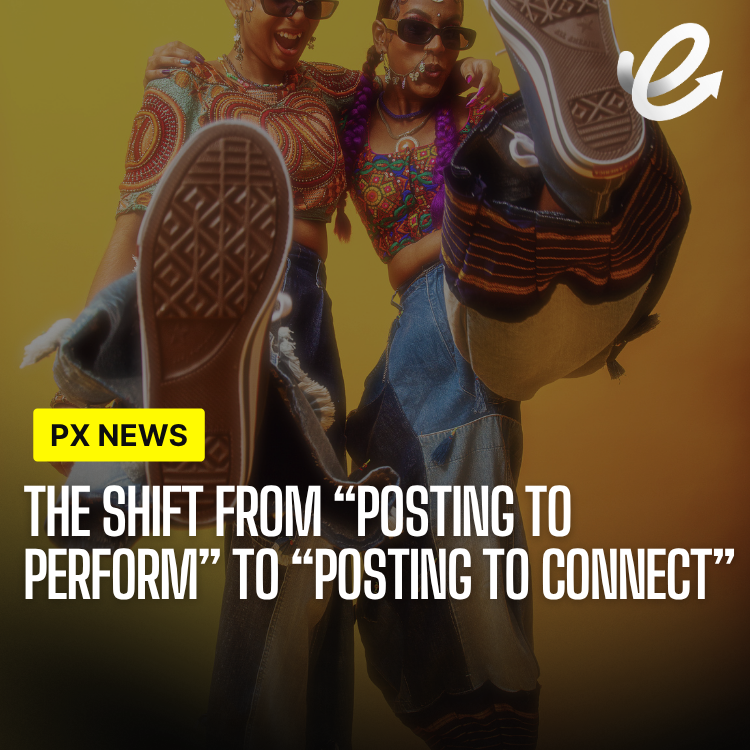
Social media is experiencing a fundamental cultural transformation. Users are moving away from performative posting designed to impress strangers toward intimate sharing meant to strengthen existing relationships. This shift represents the maturation of digital social interaction from entertainment medium to communication tool, and it is quietly reshaping what people expect from the platforms they spend their time on.
The "posting to perform" era prioritized reach, engagement, and impression management over genuine communication. Users crafted content to maximize likes, shares, and followers, often at the expense of authentic self-expression. This approach created anxiety, competition, and ultimately dissatisfaction with social media experiences.
"We're witnessing the humanization of social media. People are rediscovering that the most valuable aspect of these platforms isn't the audience they can reach, but the relationships they can deepen."
— Dr. Amanda Foster, Chief Social Scientist, ETAPX
The Psychology of Performance vs. Connection
Performance-oriented posting activates different psychological mechanisms than connection-focused sharing. Performative content triggers social comparison, validation seeking, and impression management behaviors that research links to increased anxiety and decreased life satisfaction.
Connection-oriented posting, conversely, activates social bonding, empathy, and authentic self-expression. Users report higher satisfaction and stronger relationships when they focus on meaningful communication rather than audience building. ETAPX's data shows users who prioritize connection over performance maintain 67% longer platform relationships.
How We Got Here: A Decade of Performance Pressure
To understand why the shift toward connection feels so significant, it helps to remember how thoroughly performance came to dominate the last decade of social media. As platforms optimized for time-on-app and advertising revenue, they rewarded the content that traveled farthest, not the content that meant the most. Public counters—followers, likes, view tallies—turned ordinary sharing into a scoreboard, and the scoreboard never turned off.
Over time, that environment trained a generation of users to think like broadcasters. A casual photo became a decision about personal brand. A spontaneous thought became a calculation about engagement. The cost of this conditioning was subtle but real: people began to self-edit so heavily that the version of themselves online bore less and less resemblance to who they actually were. The very tools meant to bring people closer started to manufacture distance.
The backlash now underway is not a rejection of sharing. It is a rejection of being permanently on stage. People still want to post; they simply want it to feel like talking to friends rather than auditioning for strangers.
Platform Design for Connection
Supporting connection-focused sharing requires different platform architecture than performance-oriented systems. ETAPX prioritizes features that facilitate intimate communication: close friends sharing, contextual audience suggestions, and conversation-focused interfaces that emphasize responses over reactions.
The platform de-emphasizes traditional performance metrics like follower counts and public like counts, instead providing private insights about relationship strength and communication quality. These metrics help users understand the health of their connections without creating competitive dynamics.
"Every design decision asks: does this encourage authentic communication or performative behavior? Features that promote performance get eliminated, while those that deepen relationships get prioritized."
— Jordan Kim, Lead Product Designer, ETAPX
The Features That Make Connection Feel Natural
Designing for connection is not a single feature but a posture that shows up across the product. The aim is to lower the temperature of sharing so that posting feels less like publishing and more like conversation. Several deliberate choices work together toward that goal.
- Audience by Context: Instead of broadcasting to everyone by default, users are gently guided toward the circle a given post actually belongs to.
- Private Signals Over Public Scores: Relationship and conversation health are surfaced privately to the user, never displayed as a public leaderboard.
- Replies That Invite Replies: Threaded, conversation-first interfaces make it natural to respond thoughtfully rather than simply tap a reaction and move on.
- Low-Stakes Sharing: Lightweight formats encourage everyday, unpolished moments that performance-driven platforms tend to suppress.
- Friction Where It Helps: Small, intentional pauses before broad sharing prompt reflection, reducing the reflexive chase for reach.
None of these choices are flashy on their own. Their power comes from the cumulative message they send: this is a space for relationships, not a stage for strangers.
The Role of Vulnerability in Connection
Meaningful connection requires vulnerability—sharing thoughts, feelings, and experiences that reveal authentic personality. Performance-oriented platforms discourage vulnerability by exposing it to judgment from unknown audiences. Connection-focused platforms create safe spaces for vulnerable sharing.
Vulnerability creates reciprocal sharing behaviors that strengthen relationships. When one person shares authentically, others feel permission to do the same, creating cycles of increasing intimacy and trust within social groups.
Impact on Mental Health and Wellbeing
The shift from performance to connection correlates with improved mental health outcomes for social media users. Studies show that connection-focused usage patterns reduce social comparison, increase life satisfaction, and strengthen offline relationships.
Users who prioritize connection report using social media as a tool for maintaining relationships rather than as entertainment or validation seeking. This purposeful usage creates positive feedback loops that enhance rather than detract from overall wellbeing.
What This Means for Everyday Creators
A common worry is that de-emphasizing reach will hurt the people who create for a living. In practice, the opposite tends to be true. Audiences built on genuine connection are more loyal, more engaged, and more willing to support the creators they actually care about. A smaller community that feels seen will outlast a large audience that merely scrolls past.
Connection-first design rewards consistency and authenticity over virality. Creators who once felt trapped chasing the algorithm's appetite for novelty can instead invest in relationships that compound over time. The result is a healthier creative economy in which trust, not raw impressions, becomes the most valuable currency.
"When I stopped posting for the algorithm and started posting for the people who actually show up, everything changed. My audience is smaller, but it's real—and for the first time, creating doesn't feel like performing."
— Priya Nair, Community Creator
Business Implications of Connection-First Design
Connection-focused platforms create more sustainable business models than performance-oriented systems. Users develop stronger platform attachment when their meaningful relationships exist within the ecosystem, reducing churn and increasing long-term value.
However, this approach requires different monetization strategies than attention-based advertising models. ETAPX focuses on subscription revenue and premium communication features rather than advertising that depends on addictive usage patterns.
The Future of Posting
The trajectory is clear: social media is gradually unwinding the performance machinery it spent a decade building. The next generation of platforms will be judged not by how much attention they can extract, but by how much genuine human connection they can support. That standard favors design that respects users' time, protects their psychological safety, and treats relationships as the point rather than a byproduct.
The transformation from performance to connection represents social media's evolution toward its original promise: bringing people closer together. Platforms that facilitate this shift will build the next generation of digital social infrastructure.
Frequently Asked Questions
What does "posting to connect" actually mean?
It means sharing primarily to maintain and deepen real relationships rather than to maximize reach, likes, or follower growth. The focus moves from impressing strangers to communicating meaningfully with people you already care about.
Does this mean follower counts and likes are going away?
The emphasis shifts away from public performance metrics. ETAPX de-emphasizes public like and follower counts in favor of private signals about relationship strength and conversation quality, so users get useful insight without the competitive pressure of a public scoreboard.
Is connection-first design bad for creators who need reach?
No. Audiences built on genuine connection tend to be more loyal and engaged. Creators benefit from relationships that compound over time, where trust rather than raw impressions becomes the most valuable asset.
How does posting to connect affect mental health?
Connection-focused usage is associated with less social comparison, higher life satisfaction, and stronger offline relationships. Using social media as a relationship tool rather than a validation engine tends to support wellbeing rather than erode it.
How is ETAPX designing for connection specifically?
Through features like context-aware audiences, private relationship signals instead of public scores, conversation-first interfaces, low-stakes sharing formats, and intentional design choices that prioritize authentic communication over performative behavior.