Flexibility for streamers means more than one thing, and this piece is about the part that matters most once you're already live: control. Not how fast you started, not where you were standing when you hit the button, but what happens after — who gets to speak in your chat, how long your broadcast can run before the platform starts working against you, and whether the stream in front of your audience actually looks and feels like yours. Real flexibility isn't just the freedom to go live whenever you want. It's the authority to run that broadcast on your own terms once you're there. This is about giving streamers the power they deserve over the one thing they've actually built — their show — and treating that ownership as something to protect, not something to manage for them.
Two other things have already been said about flexibility on Whistlr. One is about how quickly you can start a stream — the friction that used to sit between an impulse and an actual broadcast, now mostly gone. Another is about mobility — the freedom to keep streaming while you're moving through the world instead of pinned to a desk. Neither of those is what this is about. This is about what happens in the hours after you're already live: whether you're actually in charge of your own room, whether your stream can go the distance without falling apart, and whether it looks like something you designed or something you were handed. Speed gets you to live. Mobility lets you carry live with you. This is about what you do once you're there — and for a lot of creators, that's the part that actually determines whether streaming feels like a job you're doing for the platform or a business you're running for yourself.
Why Control Over Your Own Broadcast Is the Flexibility Streamers Actually Deserve
There's a version of "flexibility" that platforms love to talk about that has nothing to do with what creators actually need. It's the flexibility to pick a background, choose a starting time, maybe rearrange a few buttons. That's not nothing, but it's decoration, not authority. The flexibility that actually changes how a creator's business runs is the kind that hands over real decision-making power — over who's welcome in your chat, over how long you're allowed to keep the lights on, over what your stream is allowed to look like when it represents you and nobody else. That's the flexibility this is about, and it's a different animal entirely from a settings menu.
Streamers who've put in real hours on Whistlr know the difference instinctively, even if they've never had to put words to it. A creator who's built a community over months or years isn't running a hobby anymore — they're running something closer to a small business, with a brand, a regular audience, a tone people show up for, and a reputation that took real work to build. Businesses get to set their own rules about how they operate. They get final say over who's allowed on the premises and how the place is decorated. Somewhere along the way, a lot of streaming platforms forgot to extend that same basic respect to the creators actually doing the work. Whistlr's approach starts from the opposite assumption: streamers earned that authority, so they should have it.
Chat Isn't the Platform's Room — It's Yours
When you go live, the chat scrolling next to your video isn't a neutral, platform-owned space that you happen to be broadcasting into. It's your room. People show up to be part of your specific thing — your humor, your energy, your community's inside jokes — and what happens in that chat shapes whether that experience feels good or falls apart. A streamer who's spent a year building a chat culture that's sharp, funny, and welcoming to new viewers has done real work that deserves real protection. Flexibility, in this context, means that protection is actually in the streamer's hands, not locked behind a one-size-fits-all rulebook that treats every broadcast the same regardless of what its creator actually wants it to be.
Generic Rules Weren't Built for Your Community
Platform-wide guidelines exist for a reason — they set a baseline floor that keeps everyone reasonably safe, and that baseline matters. But a floor isn't a ceiling, and it was never built with any one creator's specific community in mind. A comedy streamer who leans into roasting their regulars needs a very different chat tone than a wellness creator running a calm, low-key hangout. A competitive gaming streamer needs different guardrails than someone hosting a slow, cozy crafting stream. Generic, platform-wide rules can't flex to fit all of that, because they're not supposed to — they're the floor everyone stands on, not the room anyone actually lives in. The power streamers deserve is the ability to layer their own standards on top of that floor, shaped around the specific community they've built and the specific tone they want that community to have.
Real Moderation Authority, Not Just Platform-Wide Defaults
This is the heart of what control means in practice. It's not a philosophy — it's the actual, lived experience of being able to set the tone of your own chat and have that tone hold, stream after stream, without having to fight the platform to make it happen. Streamers on Whistlr get to decide what their space feels like, and then actually enforce that decision in real time, rather than hoping a generic system happens to agree with their judgment call.
Setting the Tone Before Trouble Starts
The best moderation isn't reactive — it's the tone a streamer sets before anything ever goes wrong. A creator who's clear about what their chat is and isn't for, who's able to shape the rhythm of conversation in their own room, spends a lot less time putting out fires later. That's a form of flexibility too: the freedom to define your community's culture on your own terms, instead of inheriting a default culture that was designed for nobody in particular. Streamers who've earned an audience have also earned the right to decide what that audience experience actually feels like, moment to moment, on their own stream.
Trusted Hands When You Can't Watch Everything Yourself
No one running a genuinely popular stream can personally read every line of a fast-moving chat while also performing, playing, talking, or running a Live Shopping segment at the same time. That's exactly why the ability to bring in people you trust matters so much. A streamer's moderation team is an extension of the streamer's own judgment — people they've chosen, briefed on what the room should feel like, and trusted to make calls the same way the streamer would. That's not outsourcing control. That's what real control looks like at scale: the streamer still sets the standard, and the people enforcing it are the streamer's own choice, not a platform's.
- Chat that reflects your standards: Streamers set the tone for their own room instead of relying solely on generic, platform-wide defaults that weren't built for any one community.
- A moderation team you choose: Bring in the people you trust to help hold the line on your stream, so the room stays true to your standards even when you can't watch every line of chat yourself.
- Consistency you can count on: The tone you set doesn't reset every stream — it holds, so regulars know what to expect and new viewers pick up on the culture fast.
- Authority that scales with your audience: As a community grows, the tools to manage it grow too, instead of a bigger audience meaning less control over what that audience experiences.
None of this is about giving streamers a bigger rulebook to enforce. It's about giving them real authority over a room they built, so the flexibility to run a stream their way isn't just a nice idea — it's something that actually holds up when the chat gets busy and the stakes are real.
Marathon Streams: The Power to Go Long Without the Platform Working Against You
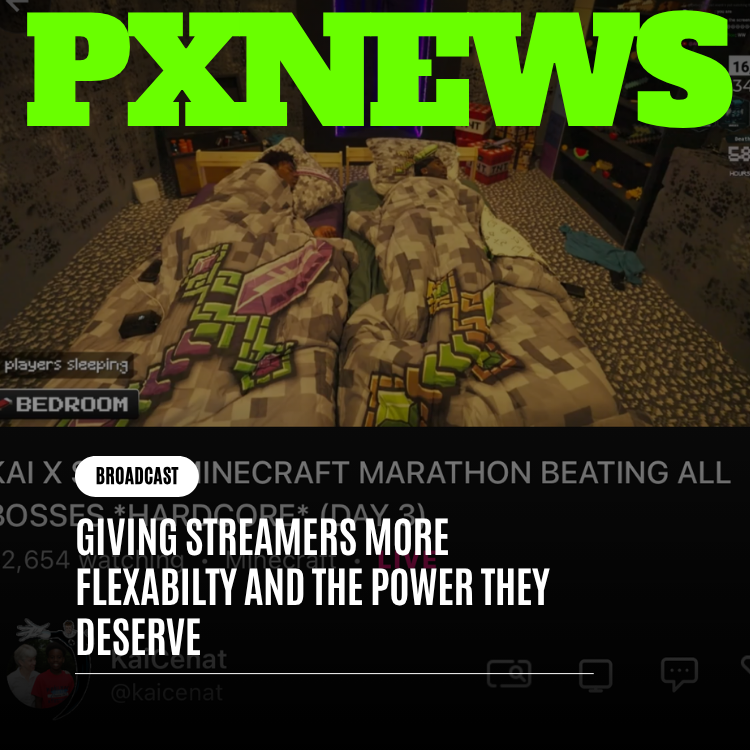
Some of the best moments in live streaming don't happen in the first twenty minutes. They happen four hours in, when a community has settled into a rhythm, energy has built on itself, and something genuinely unplanned starts to happen because everyone's been in the room together long enough for it to. Marathon streams — the multi-hour sessions, the overnight grinds, the all-day events built around something a community has been anticipating — are where a lot of creators do their most memorable work. That kind of stream only works if the platform underneath it is something a streamer can actually rely on for the long haul, not something they have to babysit and hope survives the night.
Why Extended Streams Used To Be a Gamble
Ask any creator who's tried to run a genuinely long stream on a platform that wasn't built to hold up, and they'll tell you the same story: it starts strong, and somewhere around hour three or four, something starts to feel off. Maybe the stream needs a restart. Maybe quality quietly degrades in a way viewers notice before the streamer does. Maybe the whole broadcast just becomes something to worry about instead of something to enjoy running. That's the opposite of flexibility. A creator shouldn't have to choose between doing the marathon stream their community's been asking for and trusting that the tools underneath them will actually cooperate for the entire run.
Built to Hold Up Over Hours, Not Minutes
Whistlr's approach to long-form streaming starts from a simple premise: a creator who decides to go long should be able to trust that decision, start to finish, without the platform becoming the thing they're managing instead of their own show. Whether it's a fundraiser stream that runs all afternoon, a gaming session that turns into an overnight event because the community won't let it end, or a Live Shopping marathon built around a big drop, the experience of running it shouldn't change depending on how many hours are on the clock. Reliability over the long haul isn't a bonus feature — it's the baseline that makes marathon streaming a real option instead of a risk a creator has to accept.
That reliability is what actually gives streamers flexibility in how they structure their content. A creator who trusts their stream to hold up for six, eight, or twelve hours can plan bigger, bolder formats — a full day of WildDraw battles, a marathon Live Shopping event tied to a seasonal drop, an overnight hangout that becomes a signature, recurring thing their community shows up for every time. None of that is possible if the underlying stream is something you have to quietly worry about the entire time you're running it. The power to go long, and go long without flinching, is exactly the kind of power streamers deserve and rarely get handed by default.
Customization That Reflects Your Brand, Not a Template
A stream that looks exactly like every other stream on the platform isn't really a creator's stream — it's the platform's template with a creator's face on it. Real flexibility means the freedom to make a broadcast look, sound, and feel like something a specific person actually built, with their own visual identity, their own rhythm, and their own choices baked into how it presents to an audience.
Your Stream Should Look Like You Built It
Every creator who's serious about streaming has a visual identity they've worked to build — colors, layout choices, an overall feel that makes their stream recognizable within a second of landing on it. That identity is worth just as much protection as chat culture is, because it's part of what makes a stream feel like a destination instead of a generic feed. Customization that lets streamers actually shape how their broadcast presents — rather than boxing everyone into the exact same layout regardless of what they're streaming or who they are — is what turns a stream from a video feed into a brand. That's power creators have earned the right to exercise, not a nice-to-have buried three menus deep.
Small Details, Real Ownership
Ownership rarely shows up as one big sweeping feature. It shows up in a dozen small decisions a streamer gets to make about their own show — how alerts appear, how their stream is framed and labeled, how their brand shows up around the edges of their broadcast, how the experience differs for a first-time visitor versus a regular who's been there for two years. None of those choices are dramatic on their own. Together, they're the difference between a stream that feels like a rented storefront and one that feels like a business a creator actually owns. Flexibility, at that level, isn't a headline feature — it's the accumulation of a streamer being trusted to make their own calls about their own show, over and over, without having to ask permission each time.
The Philosophy Behind It: Streamers Are a Business Class, Not a Feature Set
Underneath all of this is a belief that shapes how Whistlr treats creators in general: streamers who put in the hours and build real audiences aren't users consuming a feature set — they're operators running something closer to a small business, and they deserve to be treated like it. A business owner expects control over who's allowed in their space, expects their operation to run reliably even during their busiest stretches, and expects the freedom to build a brand that actually looks like theirs. There's no reason a streamer building a community of thousands should expect less than that just because their business happens to run through a live video feed instead of a storefront.
That's the difference between a platform that gives creators tools and a platform that gives creators power. Tools are things you're handed to use a certain way. Power is the authority to decide how your own thing actually runs. Whistlr's bet is that creators who are trusted with real authority over moderation, real reliability for the long stretches, and real customization over how their brand shows up will build stronger, more durable communities than creators who are handed a template and told to make the best of it.
"Creators who've built something real deserve to run it like it's real. That means giving them actual authority over their chat, not just a generic rulebook. It means their stream should be something they can trust to hold up for eight hours straight, not something they're crossing their fingers about at hour four. And it means their broadcast should look like their brand, not our template. That's what flexibility means to us — power streamers can actually use, not just a settings menu that looks like power."
— John Ridge, CTO, ETAPX
What Real Control Looks Like in Practice
Picture a creator who's been building a community on Whistlr for a couple of years. They run a weekend marathon stream once a month — twelve hours, sometimes more, built around a rotating theme their regulars look forward to. Over that stretch, hundreds of people move through their chat, some regulars who've been there since the beginning, some brand-new viewers discovering the stream for the first time. The tone of that room isn't an accident. It's something the streamer built deliberately, with moderators they picked and briefed themselves, enforcing standards the streamer set, not a generic default everyone else on the platform is also using.
Twelve hours in, the stream hasn't degraded, hasn't needed a restart, hasn't quietly lost quality the way long streams sometimes do elsewhere. The layout, the alerts, the whole visual identity still look exactly like the creator's brand, the same way it did in hour one. WTC Gems have been landing all day. A couple of Live Shopping moments happened mid-stream without anyone missing a beat. A WildDraw battle broke out around hour nine because the energy in the room called for it, and the chat — the streamer's chat, run the streamer's way — carried that energy instead of derailing it. None of that is a coincidence. It's what happens when a streamer has real authority over their own room, real reliability for the long haul, and a broadcast that actually looks like theirs.
"I run overnight streams almost every weekend — eight, sometimes ten hours straight with my community. The thing that changed everything for me wasn't going live faster, it was trusting that the stream would still look and feel like mine at hour nine the same way it did at hour one. My mod team enforces the tone I actually want, not some generic rulebook, and I've never had a marathon stream fall apart on me. That's the difference between streaming being a hobby and streaming being something I can actually build a business around."
— Marcus Odell, Whistlr creator
Flexibility and Power Working Together
Flexibility without power is just convenience — nice to have, but ultimately hollow if a streamer still doesn't have real say over what happens on their own broadcast. Power without flexibility is just a locked-down system that happens to be strong, but rigid in a way that doesn't actually serve the creator using it. The two only mean something when they're combined: the freedom to shape a stream however a creator wants, backed by real authority to enforce that shape once an audience shows up. That combination is what separates a platform that talks about creator empowerment from one that actually hands creators the keys.
This is also why control matters just as much as speed and mobility, even though it gets talked about less. A stream that starts in an instant and travels wherever a creator goes is only as good as what happens once the audience arrives. If a streamer can't shape their own chat, can't trust their stream to survive a long night, and can't make their broadcast look like their own brand, all that speed and mobility is delivering people into a room the creator doesn't actually control. Real flexibility closes that loop — it's not just about getting to live and staying live, it's about what a streamer is actually able to do once they're there.
For Whistlr, that's the whole point of building this way. Streamers aren't renting space on a platform that happens to let them broadcast. They're building something of their own, on infrastructure that's meant to get out of their way instead of standing over their shoulder. Real moderation authority, marathon-length reliability, and genuine customization aren't three separate features bundled together for a press release — they're three different expressions of the same underlying idea: streamers who've earned an audience have earned the power to run their own show, and that power shouldn't have an asterisk next to it.
Frequently Asked Questions
What does "flexibility and power" mean in this context, and how is it different from other recent Whistlr updates?
This is specifically about the control streamers have once they're already live — moderation authority over their own chat, the reliability to run genuinely long marathon streams without the platform working against them, and customization that makes a broadcast look like a creator's own brand. It's a different topic from an update about starting a stream faster, and different again from one about streaming while moving around in the real world. Those are both about getting to live and staying live. This is about what a streamer is actually able to do — and enforce — once they're there.
What kind of moderation control do streamers actually have over their own chat?
Streamers can set the tone and standards for their own chat on top of platform-wide baseline guidelines, and bring in a moderation team of people they trust to help hold that standard consistently, stream after stream. It's about giving creators real authority over the room they've built, rather than leaving every broadcast to rely solely on one generic, one-size-fits-all rulebook.
How long can a marathon or extended stream run without issues?
Whistlr is built so multi-hour and overnight marathon streams can run reliably from start to finish, without the degradation or interruptions that used to make long-form streaming a gamble on other platforms. Creators can plan bigger, longer formats — an all-day event, an overnight hangout, a marathon Live Shopping session — and trust that the stream underneath them will hold up for the whole run.
Can streamers actually customize how their broadcast looks and feels?
Yes. Streamers have real control over the visual identity and presentation of their own broadcast, so a stream reflects their personal brand instead of looking like every other stream on the platform. That includes the countless smaller details — layout, alerts, framing — that add up to a stream feeling genuinely owned rather than templated.
Does having more control or running longer streams change what a streamer can earn?
No — if anything, it strengthens it. WTC Gems, Live Shopping, and WildDraw all work the same whether a stream is ten minutes or ten hours, and a well-moderated, reliably long, on-brand stream tends to give an audience more reasons to stick around and engage. Control over the broadcast isn't separate from earning potential — it's part of what makes a stream worth sticking around for in the first place.
Streamers who build real communities deserve real ownership over the space they've built, not just a faster way in the door. Flexibility means the freedom to run a stream on your own terms — and power means that freedom actually holds up once you're live. That's what Whistlr is built to give back to the people doing the work.