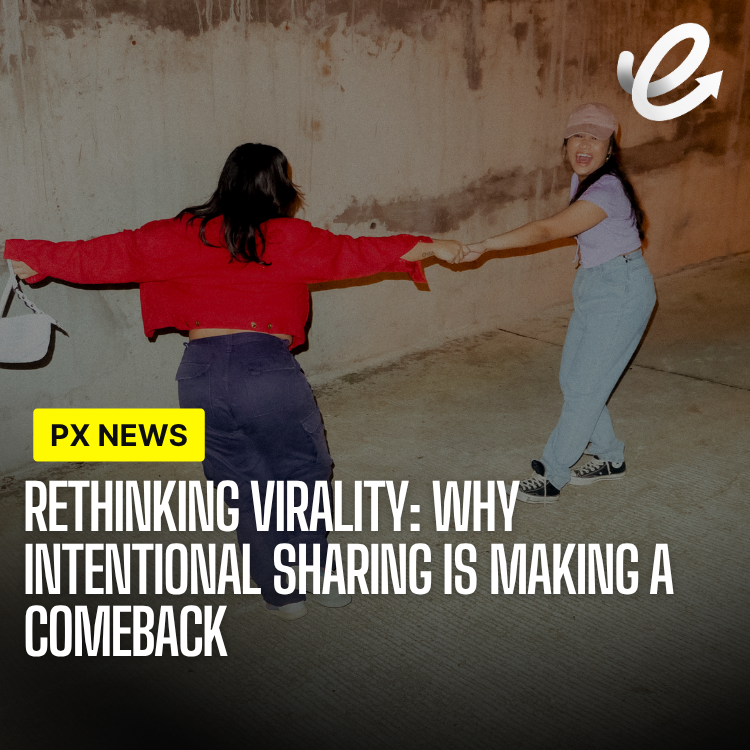
The era of viral content optimization is giving way to intentional, targeted sharing that prioritizes meaningful distribution over maximum reach. Users increasingly prefer sharing content with specific audiences who will find it genuinely valuable, marking a cultural shift from broadcast-style posting to contextual communication.
Viral content culture created pressure for creators to produce material designed to appeal to the broadest possible audience, often at the expense of depth, nuance, or genuine value to specific communities. This approach led to content homogenization and creator burnout while failing to serve user needs for relevant, contextual information.
"Virality was never about connecting people—it was about capturing attention. Intentional sharing focuses on the harder but more valuable challenge of facilitating meaningful communication between people who actually care about each other."
— Dr. Sarah Chen, Content Strategy Researcher, ETAPX
The Problems With Viral-First Design
Platforms optimized for viral content spread create perverse incentives that prioritize controversial, sensational, or emotionally manipulative material over thoughtful, informative, or genuinely helpful content. This optimization reduces overall content quality while creating psychological pressure for creators to prioritize engagement over authenticity.
Viral content also creates winner-take-all dynamics that concentrate attention on a small number of creators while leaving most community members feeling ignored or inadequate. These dynamics undermine the community-building potential of social platforms.
Why Virality Lost Its Shine
For a decade, going viral was the implicit goal of nearly everything posted online, and the costs of that obsession took years to surface. The first was a sameness that crept across feeds everywhere. When the reward is maximum reach, creators converge on whatever format the algorithm currently favors, and originality gives way to imitation. The second cost was trust. Audiences gradually noticed that the loudest, most shareable content was often the most exaggerated, and a quiet skepticism set in toward anything engineered to spread.
There was also a human cost that rarely showed up in any dashboard. Chasing virality is exhausting and arbitrary; a creator can do everything right and still watch a post vanish into silence, or stumble into a viral hit they cannot replicate. That unpredictability bred anxiety and burnout, and it taught creators that their relationship with their own audience was secondary to the whims of a ranking system. Intentional sharing is, in large part, a reaction against all of this, a return to the idea that reaching the right people matters more than reaching the most people.
Intentional Sharing Mechanisms
ETAPX implements sharing tools that encourage users to consider their audience before distributing content. Features like audience preview, context suggestions, and recipient relevance scoring help users make thoughtful decisions about who would benefit from specific content.
The platform provides sharing templates that encourage users to add personal context when forwarding content, transforming passive redistribution into active communication that strengthens relationships between sharers and recipients.
"Every sharing action should strengthen relationships rather than just broadcasting information. Our tools help users become thoughtful curators rather than mindless redistributors."
— Alex Liu, Senior Product Designer, ETAPX
How Intentional Sharing Works In Practice
The shift from broadcasting to intentional sharing is visible in the small decisions a user makes before hitting send. Rather than firing content into a void and hoping it spreads, the platform invites a moment of thought about who it is actually for.
- Audience preview: Before sharing, users can see who is likely to receive a piece of content, making the act deliberate rather than automatic.
- Context prompts: Sharing templates encourage adding a personal note, so a forward becomes a message rather than a silent relay.
- Relevance signals: Recipient relevance scoring helps users judge whether content genuinely fits a particular person or group.
- Targeted circles: Content can be directed to specific communities or close connections instead of a single public broadcast.
- Human curation: Discovery leans on personal recommendations from trusted people rather than algorithmic amplification.
Quality Over Quantity Distribution
Content that reaches smaller, more targeted audiences often generates higher engagement rates, more meaningful responses, and greater long-term value than viral content that reaches massive but disinterested audiences. Intentional sharing optimizes for these quality outcomes.
Creators who focus on intentional distribution report higher satisfaction with their audience relationships and more sustainable creative practices. They receive more thoughtful feedback, develop stronger community connections, and experience less pressure to chase trending topics.
Community-Driven Discovery
Instead of algorithmic viral promotion, intentional sharing platforms rely on community members to surface valuable content through personal recommendations and contextual sharing. This human curation creates more relevant discovery experiences.
Community-driven discovery also supports niche content and specialized interests that might not achieve viral reach but provide significant value to specific audiences. This diversity strengthens overall platform value and community engagement.
Economic Models For Intentional Content
Intentional sharing supports different creator economy models than viral optimization. Creators can build sustainable audiences through consistent value delivery to specific communities rather than depending on unpredictable viral moments for income.
This model proves more economically stable for creators while providing better return on investment for brands and sponsors who prefer engaged, relevant audiences over massive but passive reach.
"I stopped trying to go viral and started sharing things directly with the people I knew would care. My numbers are smaller, but the conversations are real and my income is steadier. I'd never go back to chasing the algorithm."
— Tasha Okonkwo, Whistlr Creator
What This Means For Creators And Brands
For creators, the move toward intentional sharing rewrites the definition of success. A modest audience that genuinely cares is worth more than a huge one that scrolls past, both in terms of meaningful feedback and in terms of reliable income. The path forward is consistency and relevance to a specific community rather than the lottery of viral reach, which makes the work more sustainable and the relationship with the audience more genuine.
For brands and sponsors, the logic is similar. A message delivered to a small, engaged, relevant group tends to outperform the same message blasted to a massive but indifferent one. Engaged audiences convert, respond, and remember; passive reach evaporates. As intentional sharing matures, the most valuable partnerships will be with creators who have earned real trust within a community, not simply those with the largest follower counts.
Best Practices For Intentional Sharing
Adopting an intentional approach is less about new tools than about new habits. A few principles make the shift concrete.
- Ask who it's for before you post: Picture the specific person or community that would value a piece of content rather than a faceless crowd.
- Add context when you share: A short personal note turns a forward into communication and strengthens the relationship.
- Favor depth over reach: Measure success by the quality of responses and connections, not by raw view counts.
- Build for a community, not a trend: Deliver consistent value to a defined audience instead of chasing whatever is spreading today.
- Curate, don't just redistribute: Treat sharing as an act of recommendation, passing along only what genuinely fits the recipient.
Cultural Impact Of Sharing Intentionality
When users consider their audience before sharing, they become more thoughtful about content consumption and creation. This intentionality reduces information overload while increasing the signal-to-noise ratio of shared content.
Intentional sharing also promotes media literacy as users develop better judgment about what content provides value to specific audiences. This skill transfer improves overall digital communication quality.
The shift toward intentional sharing represents social media's maturation from entertainment medium to communication infrastructure. Platforms that facilitate thoughtful content distribution will create more valuable, sustainable communities than those optimized for viral attention capture.
Frequently Asked Questions
What is intentional sharing?
Intentional sharing is the practice of distributing content to specific audiences who will find it genuinely valuable, rather than broadcasting it as widely as possible. It treats sharing as targeted communication and curation instead of a bid for maximum reach.
Why are creators moving away from chasing virality?
Because the viral model proved unpredictable, exhausting, and corrosive to content quality. It rewarded sensational, homogenized material and concentrated attention on a few accounts, leaving most creators burned out and most communities feeling ignored. Intentional sharing offers a more sustainable, relationship-driven alternative.
Does a smaller audience mean less success?
Not necessarily. Content shared with a smaller, targeted audience often earns higher engagement, more meaningful responses, and greater long-term value than viral content seen by a massive but disinterested crowd. Quality of connection frequently matters more than raw size.
How does ETAPX encourage more thoughtful sharing?
Through tools like audience preview, context suggestions, recipient relevance scoring, and sharing templates that prompt users to add a personal note. These features nudge people to consider who a piece of content is for and to share as communication rather than passive redistribution.
Is intentional sharing better for brands than viral reach?
Often, yes. Brands tend to see better returns from engaged, relevant audiences than from massive but passive reach. A message delivered to a trusting community converts and resonates more reliably, which makes partnerships with trusted, community-focused creators increasingly valuable.