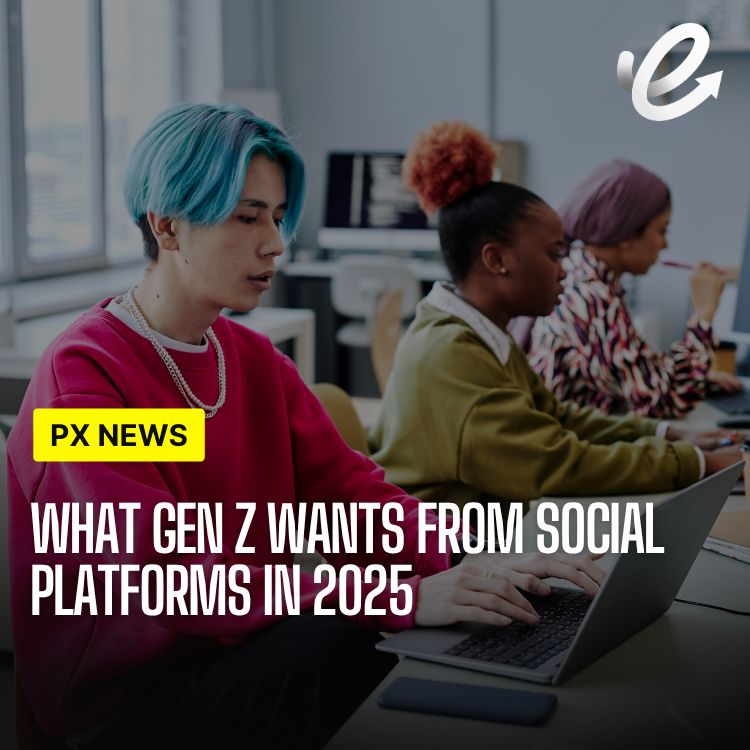
Generation Z is reshaping social media expectations with demands for authenticity, privacy control, and meaningful connection over performative content. ETAPX's comprehensive research study, involving 15,000 Gen Z users across 12 countries, reveals fundamental shifts in how this generation approaches digital social interaction and what they expect from platforms in 2025.
Unlike previous generations who adapted to existing social platforms, Gen Z is actively rejecting features and experiences that don't align with their values. This generation prioritizes mental health, authentic expression, and genuine community over viral fame and follower counts, forcing platforms to reconsider their core assumptions about social interaction.
"Gen Z doesn't want to perform their lives for strangers—they want to share authentic moments with people who matter to them. The platforms that understand this distinction will win the next decade of social media."
— Dr. Emma Rodriguez, Director of Social Research, ETAPX
Authenticity Over Performance
The research reveals that 78% of Gen Z users prefer "unfiltered" content over highly produced posts. They gravitate toward platforms and features that encourage spontaneous sharing rather than carefully curated presentations. This preference drives the popularity of features like Whistlr's "Raw Moments" and disappearing content that reduces the pressure for perfection.
Gen Z users report feeling "exhausted" by the performance aspect of traditional social media. They want spaces where they can share genuine experiences without feeling judged or pressured to maintain a personal brand. This shift challenges platforms built around engagement optimization that often rewards performative content.
What this generation is rejecting is not effort but pretense. A clumsy phone video of a real moment now reads as more trustworthy than a flawlessly lit, heavily edited post. The aesthetic of polish has come to signal distance and sales, while imperfection signals honesty. Platforms that keep rewarding the glossiest content are quietly teaching their youngest users that the platform is not for them.
Privacy As A Fundamental Right
Privacy concerns aren't just preferences for Gen Z—they're deal-breakers. 84% of surveyed users have abandoned platforms due to privacy violations or unclear data practices. This generation expects granular control over who sees their content, how their data is used, and the ability to completely delete their digital footprint.
ETAPX's implementation of privacy-first features directly responds to these demands. Users can control visibility down to individual posts, set automatic expiration dates for content, and receive detailed reports about data usage. These features aren't hidden in settings—they're prominently featured in the user interface.
"Privacy isn't a feature we bolt on—it's the foundation everything else builds upon. When users trust us with their data, they share more authentically and build stronger communities."
— James Liu, Chief Privacy Officer, ETAPX
Community-Centric Design
Gen Z users prefer smaller, intimate social circles over broad, public broadcasting. They want platforms that facilitate deep connections within trusted groups rather than superficial interactions with large audiences. This preference drives the success of close friends features, private group spaces, and invitation-only communities.
The research shows that Gen Z users maintain an average of 12 "close digital friends" compared to hundreds of casual connections on traditional platforms. They invest more time and emotional energy in these smaller circles, creating richer, more supportive online relationships.
What Gen Z Actually Wants From A Platform
Across the study, a consistent set of expectations emerged. These are less a wish list of features than a set of conditions Gen Z treats as the price of entry for any platform that wants their time.
- Control over visibility: The ability to decide exactly who sees each post, and to limit reach to a trusted circle by default rather than broadcasting to everyone.
- A reason to feel safe: Strong, visible moderation and harassment protection that works before harm happens, not after a report is filed.
- Low-stakes sharing: Formats like disappearing content and private posts that lower the pressure to perform and make sharing feel casual again.
- Transparency about data: Clear, plain-language explanations of what is collected and why, plus a real path to delete it.
- Time that feels well spent: Tools that support learning, creativity, and connection instead of pulling them into endless passive scrolling.
Mental Health Integration
Mental health considerations influence every aspect of how Gen Z approaches social media. They demand features that promote positive interactions, prevent harassment, and provide breaks from social comparison. Platforms that ignore these needs lose users to alternatives that prioritize wellbeing.
Whistlr integrates mental health support through usage monitoring, positivity metrics, and proactive intervention when users show signs of social media fatigue. These features help users maintain healthy relationships with technology while still enjoying social connection.
Crucially, this generation does not see wellbeing and engagement as opposites. They are more loyal to platforms that respect their attention, not less. A nudge to take a break, a quieter notification schedule, or a feed that does not weaponize comparison reads as a sign of trustworthiness. The platforms that treat user wellbeing as a feature rather than a threat to their metrics are the ones earning durable loyalty.
Purpose-Driven Engagement
Gen Z users want their social media time to feel meaningful and purposeful. They prefer platforms that facilitate learning, creativity, activism, and genuine relationship building over mindless scrolling and consumption. This generation actively seeks out content and communities that align with their values and interests.
The implications for platform design are significant. Features that promote active participation, skill development, and community contribution perform better with Gen Z users than passive consumption mechanisms like infinite scroll feeds.
How This Differs From Earlier Generations
It is tempting to read these findings as universal truths about social media, but the contrast with older cohorts is what makes them striking. Millennials largely built their online lives around a public profile and an accumulated audience; the follower count was a scoreboard worth playing. Gen Z, having grown up watching that game play out, is far more skeptical of it.
Where earlier users adapted themselves to whatever a platform offered, Gen Z expects the platform to adapt to them. They switch apps without sentimentality when a product stops respecting their values, and they treat privacy and mental health not as nice extras but as baseline requirements. For platform builders, the lesson is that legacy assumptions about growth through public broadcasting and engagement maximization no longer map onto the generation that now sets cultural direction.
"I don't want a thousand followers I'll never talk to. I want a handful of people I actually trust, and an app that doesn't make me feel worse every time I open it. That's the whole bar."
— Maya T., Whistlr User, 19
What This Means For Platform Builders
For anyone designing social products, the research points toward a clear reorientation. The instinct to optimize relentlessly for time-on-app and viral reach is not just out of step with Gen Z values; it actively drives them away. Building for this generation means starting from different defaults.
- Make privacy the default, not the setting: Visibility controls and limited-reach sharing should be the starting point users opt out of, not a hidden option they must find.
- Design for small circles first: Prioritize tools for intimate groups and close friends over features that reward broadcasting to strangers.
- Reward participation over consumption: Favor formats that invite creation, contribution, and conversation rather than passive scrolling.
- Treat wellbeing as a product surface: Build breaks, healthy nudges, and harassment protection directly into the core experience.
- Earn trust through transparency: Communicate data practices in plain language and give users genuine control, because trust is what makes authentic sharing possible.
Frequently Asked Questions
What does Gen Z mean by "authenticity" in social media?
For Gen Z, authenticity means unfiltered, spontaneous sharing over polished, performative content. The research found that 78% prefer unproduced posts, and many describe traditional, brand-conscious social media as exhausting. They value content that feels honest rather than staged.
Why is privacy such a high priority for this generation?
Privacy is a deal-breaker rather than a preference. The study found that 84% of Gen Z users have left a platform over privacy violations or unclear data practices. They expect granular control over who sees their content, transparency about data use, and the ability to fully delete their digital footprint.
How large are Gen Z's preferred social circles?
Much smaller than on traditional platforms. Gen Z users in the study maintained an average of 12 close digital friends, investing more time and emotional energy in those relationships than in the hundreds of casual connections common on legacy networks.
How does Whistlr address Gen Z's mental health expectations?
Whistlr integrates wellbeing into the core experience through usage monitoring, positivity metrics, and proactive intervention when users show signs of social media fatigue. The aim is to support a healthier relationship with technology without removing the social connection users value.
Why should platforms care about these preferences beyond attracting Gen Z?
Because they signal where social media is heading. Designing around authenticity, privacy, small circles, and wellbeing is the foundation for the next generation of platforms that prioritize human wellbeing over engagement metrics, an approach that tends to build more durable communities across all age groups.
Understanding and implementing these preferences isn't just about attracting Gen Z users—it's about building the foundation for the next generation of social platforms that prioritize human wellbeing over engagement metrics.