On Whistlr, a playlist is never really finished, because it was never made by just one person. Collaborative playlists are the beating heart of Waves, Whistlr's music-focused feed — a shared space where a friend group's road trip queue, a SubCircuit's genre obsession, or two people's slow-built relationship soundtrack can grow one song at a time. This is what music discovery on Whistlr looks like when everyone gets the aux cord: less a finished list, more an ongoing conversation about what to play next.
Most playlists you've used were built by one person, even the ones meant for a group — someone made the road trip mix, someone made the party playlist everyone borrowed. Waves flips that: a playlist becomes a shared project anyone in the circle can shape, adding a track or pulling one that no longer fits. It's less a feature and more a group chat made of songs, and it's become one of the simplest ways to share music with friends on Whistlr.
What Makes a Playlist Actually Collaborative
Call a playlist "collaborative" and it's easy to picture something thin — a shared link anyone can technically add to, even if nobody does. A playlist earns the word when three things are true: more than one set of hands is shaping it, its shape keeps changing instead of finishing on day one, and the result sounds like the group instead of any single member. Lose any one of those and it's just an ordinary playlist with extra permissions.
Inside the Waves music feed, that distinction shapes how the feature behaves. Everyone added to a shared playlist can contribute a track from Apple Music's catalog of more than 100 million songs, react to what's there, and see whose taste is behind each addition — not just an anonymous entry in a queue. The playlist keeps a quiet record of who added what: scroll back and you'll find a friend's song from right after a breakup, or the track an older sibling used to introduce the group to a new artist.
- Shared authorship: Every contributor can add, reorder, or remove tracks — the playlist belongs to the group, not whoever created it first.
- Visible attribution: Each track carries a quiet record of who added it, so the story of the playlist's growth stays part of the playlist itself.
- Built-in conversation: Friends can react to and discuss individual songs without leaving Waves, so a new track can start a conversation instead of just logging a play.
- Room to evolve: There's no natural end point — a playlist keeps absorbing new songs as a group's shared taste shifts over months or years.
How Collaborative Playlists Let You Curate Music Together
Curating music together is different from listening together. A Listening Party is a single shared moment; building a playlist with other people is slower work — closer to picking out a couch with a roommate than watching a movie together. Every addition is a small act of taste, and every reaction to it is a small negotiation about what the group's sound actually is.
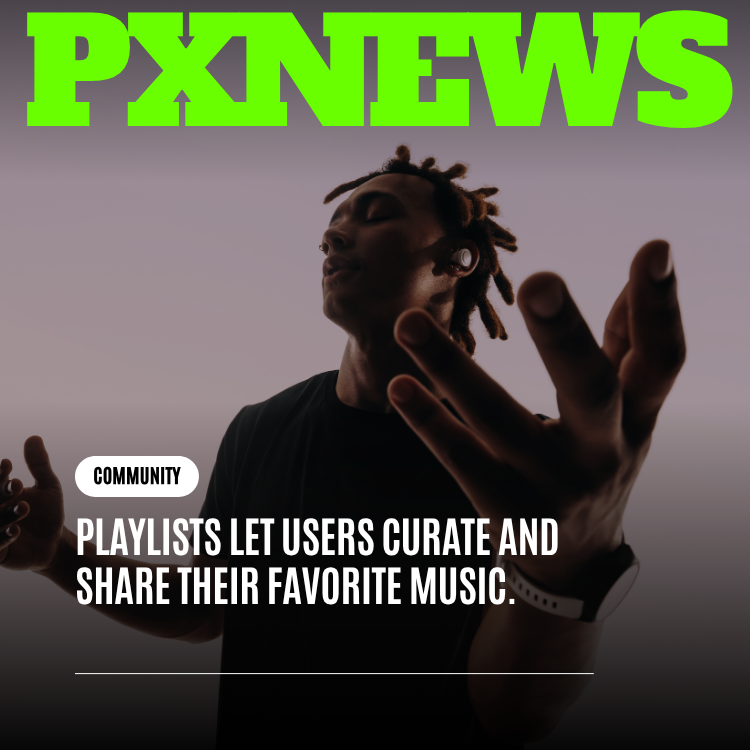
That negotiation is the point. A playlist one person builds alone reflects one set of ears. A playlist that lets a whole group curate and share their favorite music together reflects something none of them would have made alone — the overlap of a road-trip crew's tastes, or the blend of genres that makes a SubCircuit's shared playlist unmistakably theirs. That collective sound is the real product of a collaborative playlist, hard to manufacture any other way.
"A collaborative playlist is really a portrait of a friendship, drawn one song at a time. We didn't want to build another tool where one person curates and everyone else just presses play — we wanted the playlist itself to be proof that a group of people shaped something together."
— Priya Anand, Head of Product for Waves at ETAPX
Real Playlists, Real Groups
Whistlr playlists take a different shape depending on who's building them, which is part of why collaborative curation has stuck rather than becoming a one-time novelty. A few patterns keep showing up:
- The road trip queue: A friend group starts a playlist a week before a long drive, everyone adding songs they're excited about, so by the time they're on the road it's already a mix nobody could have made solo.
- The SubCircuit soundtrack: A SubCircuit built around a genre or scene turns a shared playlist into part of its identity, with members treating additions almost like posts — a way of contributing to the community, not just a queue.
- The slow-building couple's playlist: Two people add to the same playlist for months or years, so it becomes less a mix and more a timeline of a relationship, marking trips, inside jokes, and eras neither person would tag the same way alone.
None of these examples are really about the music alone. The playlist is a byproduct; the relationship is the point. A road trip playlist is a record of who was excited about what before the trip even started. A SubCircuit's shared playlist says who a community is through what it listens to — quietly one of the more essential features inside Waves.
"Four of us have kept the same collaborative playlist running since we started college, and it's basically our group's diary now. You can scroll back and know exactly which one of us was going through a breakup, or which trip a song is from, just by who added it and when. None of us would ever build something like that alone."
— Devon K., ETAPX community member
Why Curated Beats Calculated
Every major streaming platform has spent the last decade getting good at building playlists for you — the algorithmic mix that greets you each morning knows your history, your skip patterns, the hour you want something calmer. What it doesn't know is why a specific song matters to a specific person, or how to explain a choice the way a friend can.
A playlist someone builds with you works by the opposite logic. Nobody is predicting what you want to hear next — somebody who knows you is simply telling you, by adding the track themselves. That's a form of music discovery on Whistlr an algorithm cannot replicate: a friend saw this band live last month, or a song reminds someone of you specifically. A recommendation engine can surface a song that fits your patterns; only a person adds one because it reminds them of you.
That's not an argument against algorithmic recommendation — the Discovery Feed widens what surfaces based on your circle's habits, and Artist Pages turn a passing recommendation into a following. But a collaborative playlist sits a layer below that automation: curation stays entirely human, and a song's value is measured by whether someone you know thought you should hear it, not by whether a model predicted you would.
The Social Layer Streaming Forgot
Waves exists because of a simple observation: music has always been social. People have made playlists for each other, argued about which album deserved the awards, and remembered who introduced them to an artist that mattered. Streaming turned most of that into a solitary habit — a private library, headphones in, nobody else invited. Collaborative playlists are one of the clearest ways Waves pushes back, restoring the sense that a playlist gets built between people rather than delivered to them.
That's also part of why these playlists tend to outlast almost everything else in a group's history. Group chats go quiet; photo albums stop getting new additions. A playlist built together has a low bar for participation — one song, whenever you think of it — which is why some keep growing for years, a small, ongoing way of staying in touch disguised as picking the next track.
Frequently Asked Questions
How do collaborative playlists work on Whistlr Waves?
Inside Waves, a collaborative playlist is shared among everyone added to it. Any contributor can add tracks from Apple Music's catalog, reorder or remove songs, and see who added each one. Friends can react and comment without leaving the app, so the playlist grows as a group project, not one person's list.
Can I make a playlist with friends on Whistlr?
Yes. Whistlr playlists can be collaborative by design — start one with a friend group, a couple, or a SubCircuit, and everyone you add can contribute tracks over time. It's one of the simplest ways to share music with friends on Whistlr, alongside Music Posts, the Discovery Feed, and Listening Parties.
Do I need an Apple Music subscription to add songs to a collaborative playlist?
No. Anyone on Whistlr can add tracks and join the conversation around them. Without a subscription, songs play as 30-second previews; Apple Music subscribers get full playback inside Whistlr. Either way, you can add songs, react, and help shape the playlist.
What's the difference between a collaborative playlist and Waves' Discovery Feed?
The Discovery Feed surfaces recommendations based on your circle's listening habits — it's algorithm-powered. A collaborative playlist is built entirely by hand, one contributor at a time. Many people use both together: the Discovery Feed for finding something new, this kind of playlist for deciding what the group actually keeps.
Can a SubCircuit have its own collaborative playlist on Whistlr?
Yes. Communities built around a genre, artist, or scene often turn a shared playlist into part of their identity, with members adding tracks the way they'd contribute to any other community space — a natural use of collaborative playlists on Whistlr.
Do collaborative playlists ever end, or do they keep going indefinitely?
There's no built-in end point. A collaborative playlist keeps absorbing new songs for as long as the group wants to add to it, which is why the most active playlists on Whistlr are often also the oldest — they've simply had the most time to grow.
A collaborative playlist will never be as tidy as an algorithmic mix. It's messier, more argued-over, and far more personal — proof, song by song, that a group of people built something together: the music discovery on Whistlr that Waves was built to make possible.